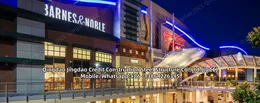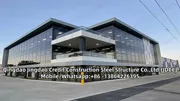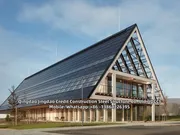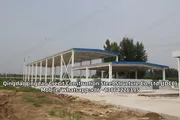



Entertainment Leisure Center Steel Building
The attributes of steel construction are well adapted for leisure facilities and are routinely used to optimise the design. This is primarily because it offers a cost-effective solution for bespoke, architecturally-driven solutions such as stadia, as well as cost effective gen...
SEND INQUIRY


Product details
Entertainment Leisure Center Steel Building
The attributes of steel construction are well adapted for leisure facilities and are routinely used to optimise the design. This is primarily because it offers a cost-effective solution for bespoke, architecturally-driven solutions such as stadia, as well as cost effective generic designs such as portal-framed sports halls. In addition, steel is a versatile and sustainable material which has an aesthetic appeal at both large and at small/detail-scale. It offers flexibility which can be very important for projects that are constrained by site or planning restrictions, or for venues which may wish to add to or reduce their overall capacity in the future, for example, grandstands for stadia hosting major sporting events. All sports stadia use steel construction as part of the functional and architectural solution.
The leisure buildings covered in this article are large in scale and therefore the use of high quality protection systems with a long life expectancy is important to clients in order to reduce long-term maintenance costs. To this end, the guarantees provided by steel suppliers together with useful maintenance advice mean that steel is the ideal choice of material.
Application of steel in exposed locations and corrosive environments (for example swimming pools) requires careful selection of the corrosion protection system in order to reduce the long-term maintenance.
The high strength-to-weight ratio of steel is a significant advantage in the construction of leisure buildings, as it can result in material and cost savings. In addition, a lighter super-structure may result in low foundation costs which can be a particular advantage when the ground conditions are poor. Even within the various steel solutions available, it is worthwhile to engage in a value engineering exercise before finalising the design, taking account of installation, maintenance and subsequent dismantling. The example shows how a combination of trusses and cellular beams are used to provide an economic solution in a university sports centre.
In recent years, clients in the sports and leisure sector have recognised that high-quality design is good business. In this context, the importance of having a modern, well-designed and user-friendly stadium, sports hall or auditorium is very important to the revenues that can be achieved either through membership, attendance at sporting events or through supplementary events such as corporate hospitality, conferences, etc. In addition, some leisure buildings, such as swimming pools, gymnasia and, to a lesser extent, theatres, are high-energy users and hence there has been an emphasis within the sector on using energy efficient design and renewable energy technologies.
Although the spectrum of leisure buildings is large, this article focuses on three main general categories, namely:
Sports stadia
Indoor sports arenas, such as gymnasia, halls and swimming pools
Theatres and auditoria.
Structures in each category can vary in scale from small, with a capacity of a few hundred, to very large stadia with a capacity of 80,000+ spectators.
Contact us for your next project and we’ll design and build it together!