Steel Structure Hotel Building Video
For hotel projects, it is commercially imperative that they be built rapidly and to a high and repeatable quality. Typical hotel rooms are 3 to 4m wide and 5 to 6m long and are built either side of a central corridor, so that the overall building width is about 12 to 14m. The...
Steel Structure Hotel Building Video
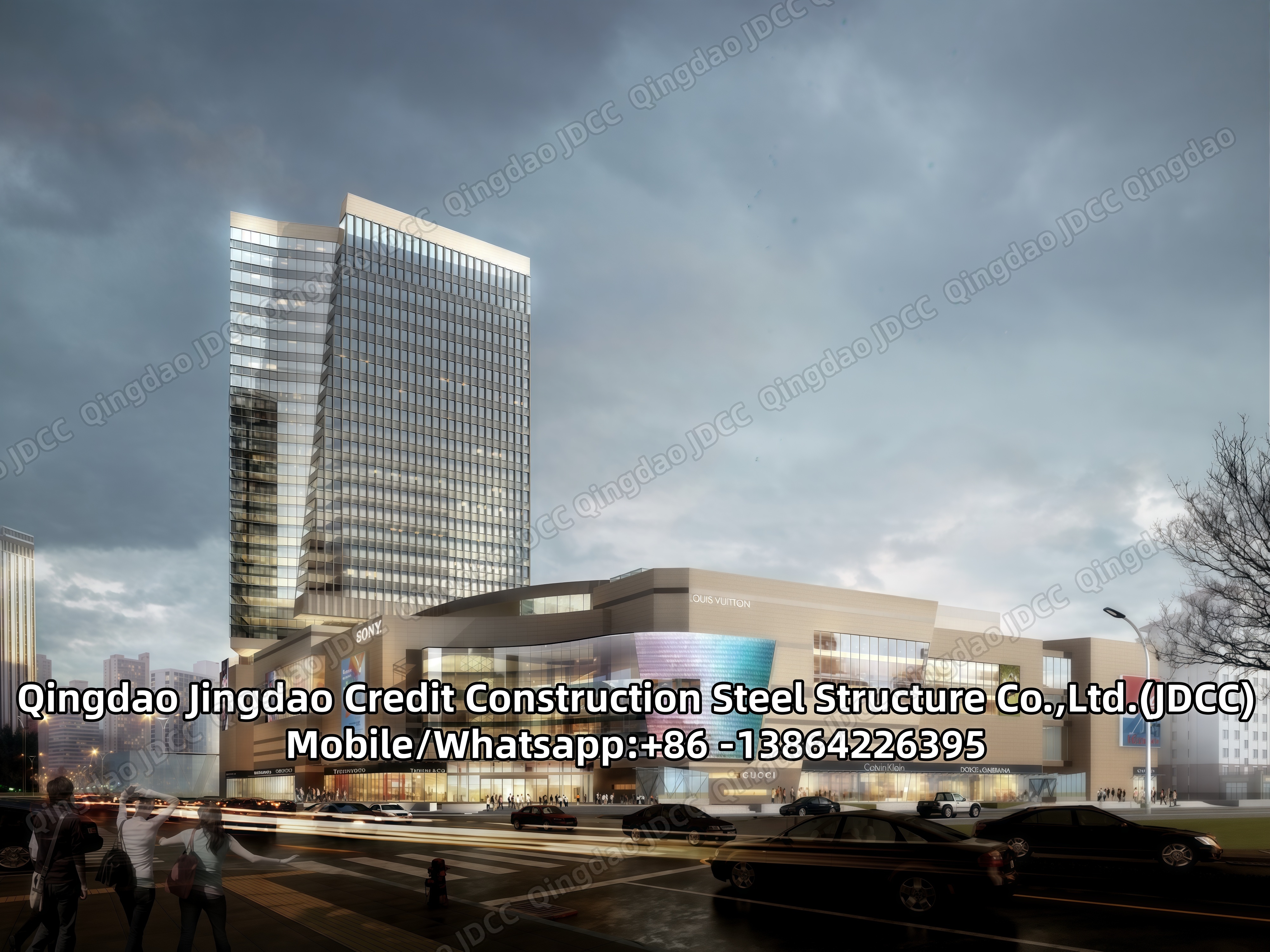
For hotel projects, it is commercially imperative that they be built rapidly and to a high and repeatable quality. Typical hotel rooms are 3 to 4m wide and 5 to 6m long and are built either side of a central corridor, so that the overall building width is about 12 to 14m. The length of the ‘wing’ of the building is dependent on safe mean of escape in fire, and normally alternative fire exits are required at either end of the corridor.
A variety of steel construction systems may be used in hotels depending on the size and height. For 2 to 4 storey hotels, modular systems have been popular, especially where standard room specifications can be manufactured off-site and can achieve economy of scale in production.
A further feature of hotels in urban areas is that the ground floor is used for a restaurant and lobby and sometimes retail outlets, so that the bedrooms on the upper levels are constructed on a ground floor podium similar to other mixed-use buildings.
A variety of steel–based technologies may be used cost effectively in this sector, depending on the scale of the building, as follows:
Light steel framing for housing and medium-rise residential buildings.
Structural steel frames supporting either composite floor slabs or precast concrete units. This also includes Shallow floor systems
Non-load bearing light steel infill and separating walls within steel or concrete structures
Modular construction using fully finished 3-D units that are structurally stable as a group and can form whole buildings or parts of buildings.
One of the best qualities of steel is its durability. Its use in the construction industry has helped make structures that can stand for years on end, being able to withstand wear and tear and various external elements such as earthquakes and storms. Steel is also designed to withstand high temperatures, making them great for industrial projects, and places with extreme conditions.
Well-designed steel structures are able to last for at least 20-30 years, with a potential to exceed that mark if constant maintenance is done. If you are looking to build a structure that can stand for a long time, structural steel is the best material for the job.