Steel Structure With Elevator Video
Steel Structure with Elevator
Steel Structure With Elevator Video
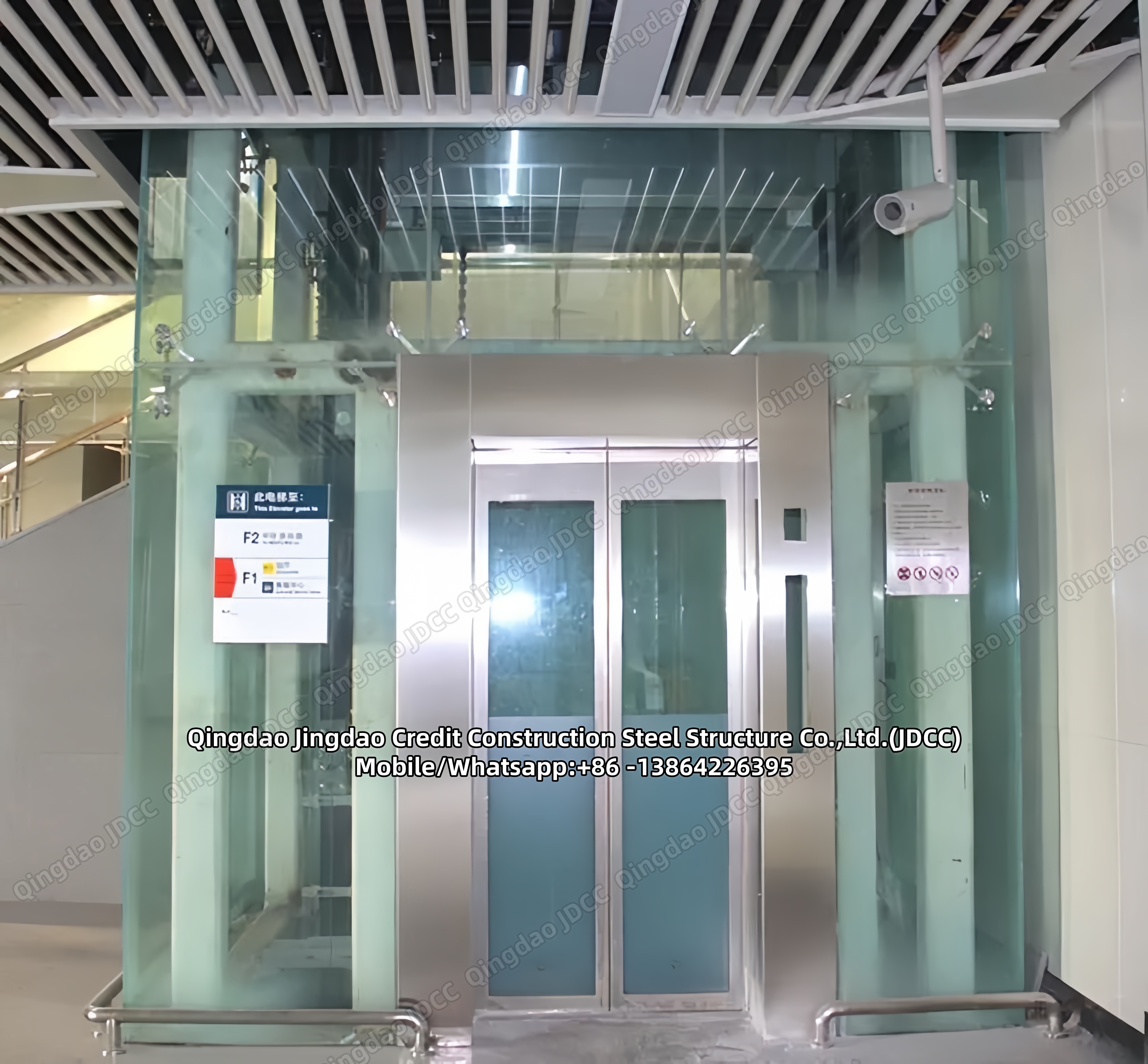
Steel Structure with Elevator
Mid-rise structures, which are 3 to 9 stories in height with elevator, are frequently used for hotels, motels, apartments, dormitories, barracks, condominiums, and multi-family housing. The structural details play a critical role in the cost and configuration of the building. That means choosing the right material is critical. Every additional square foot built onto a project means more potential revenue for the building owner. More stories and higher density mean more revenue from the same urban footprint.
Consider cold-formed steel (CFS) framing, which is a cost-effective solution for mid-rise buildings. With the highest strength-to-weight ratio of any construction material, less material is required to carry the same structural loads as other materials. Cost savings in steel buildings start at the foundations, where the loads imposed by a steel frame are up to 50 percent less than those of a concrete alternative, and therefore foundation costs can be considerably less. The light-weight quality of CFS framing also means that it is possible to build in difficult soil conditions where heavier materials would require expensive deep foundations.
Construction cycle time is another important factor. Take the example of a five-story residential project in Brantford, Ontario, where CFS framing reduced the construction timeline by six weeks and resulted in a significant cost savings.
Additionally, the consistent, high quality and dimensional stability of steel framing results in few warranty claims and call-backs. Builders can also trim their insurance costs. Using noncombustible steel construction will minimize the risk of fire-related incidents and subsequent legal action, resulting in significant insurance savings for the builder during construction and for the owner over the life of the structure.
Make it Safe
Along with its design flexibility, steel construction offers inherent safety advantages. Virtually all steel construction is manufactured offsite, which means most of the work is carried out in safer, factory controlled conditions, and fewer workers are required on site. There are fewer deliveries of materials and equipment to the site, which means fewer potential jobsite hazards. And using steel means shorter building programs, hence less pressure on workforces to reach completion targets.
Speed Up Your Project and Maximize Value
More efficient construction methods available for cold-formed steel projects can significantly reduce the construction schedule. Steel allows an early start on site and structures can be erected quickly. The predictability and accuracy of steel components allows follow-on trades to get to work sooner. This delivers time savings. In fact, speed of erection is often one of the main criteria for selecting steel. In many high-density urban projects, it is critical to reduce disruption to nearby buildings, minimize impact on neighboring residents and avoid causing traffic congestion. Short construction periods leads to savings in site preliminaries, earlier return on investment and reduced interest charges.
Faster construction schedules can help building owners earn money on their investment faster by moving clients in sooner. It also leads to lower financing costs because shorter construction time means reduced interest charges. Time related savings can easily amount to between 3 and 5 percent of the overall project value reducing the building owner’s requirements for working capital and improving cash flow.
Speed is achieved without jeopardizing safety, making steel construction inherently safer than alternatives.
Contact us for your next project and we’ll design and build it together!