Steel Structure Stadium Video
The attributes of steel construction are well adapted for leisure facilities and are routinely used to optimise the design. This is primarily because it offers a cost-effective solution for bespoke, architecturally-driven solutions such as stadia, as well as cost effective gen...
Steel Structure Stadium Video
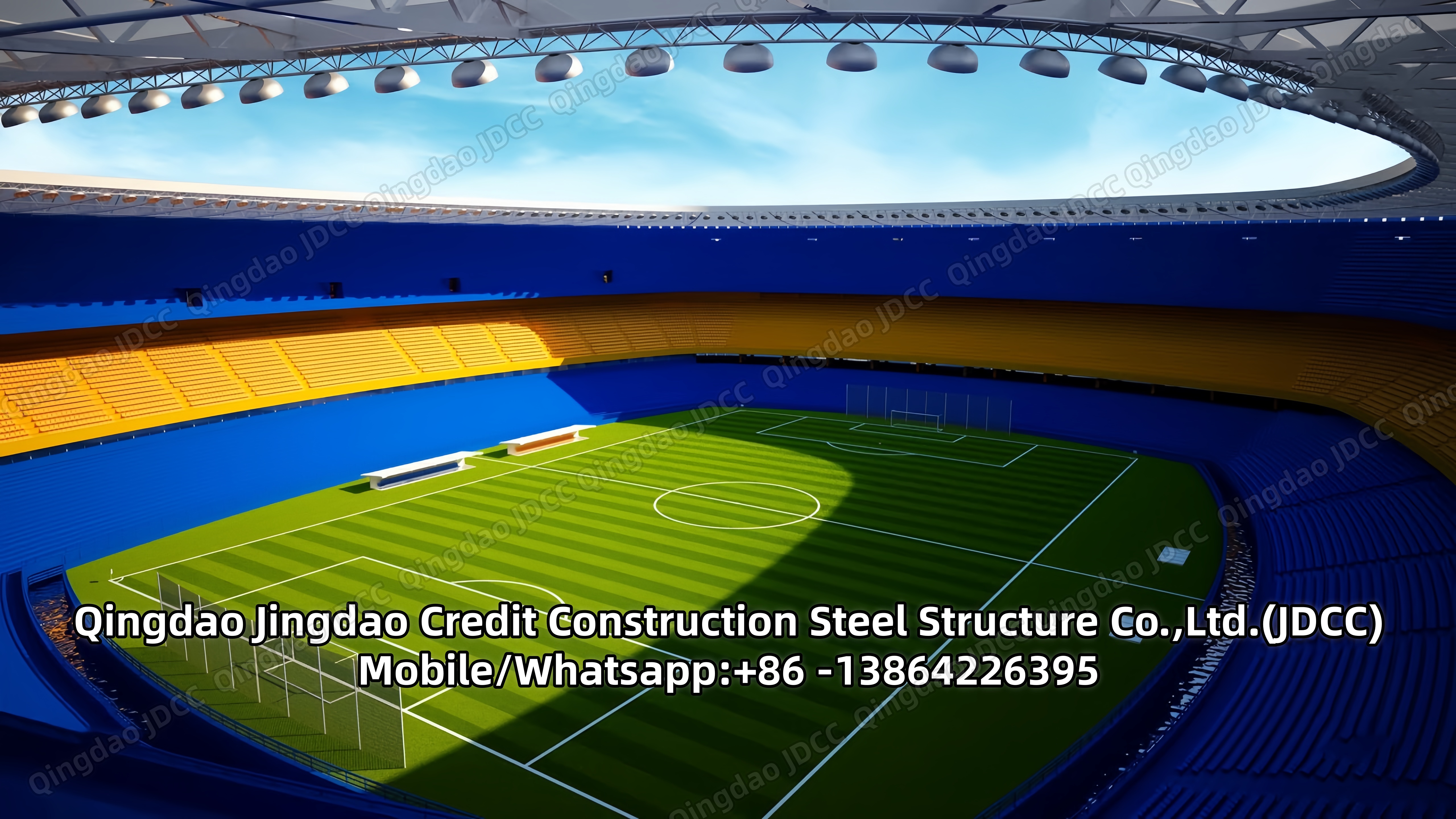
The attributes of steel construction are well adapted for leisure facilities and are routinely used to optimise the design. This is primarily because it offers a cost-effective solution for bespoke, architecturally-driven solutions such as stadia, as well as cost effective generic designs such as portal-framed sports halls. In addition, steel is a versatile and sustainable material which has an aesthetic appeal at both large and at small/detail-scale. It offers flexibility which can be very important for projects that are constrained by site or planning restrictions, or for venues which may wish to add to or reduce their overall capacity in the future, for example, grandstands for stadia hosting major sporting events. All sports stadia use steel construction as part of the functional and architectural solution.
Leisure buildings usually need large column-free spaces for pitches, courts, swimming pools, etc. and to provide unimpeded views for spectators in stadia and arenas. Steel offers the best and most cost effective method of achieving these requirements, for example through truss arrangements or steel girders. In this context, one of the key features of most leisure buildings is a large-spanning roof or structural system. All modern stadia use some sort of long-span steel construction and many architecturally-driven solutions are possible only using steel.
In addition to providing an economically and structurally efficient solution, steel construction allows designers to deliver aesthetically appealing buildings, offering clean lines, slender elements and a contemporary appearance. It offers an excellent strength-to-weight ratio meaning that less material is required in comparison to other materials. Architectural design often makes use of the appearance of exposed steelwork and utilises the voids created by space trusses, for example, to avoid having prominent ductwork and services on display.
One of the main advantages of steel in leisure building design is its capability to span long distances without the need for intermediate supports. This means that large unobstructed space can be created, which are necessary for swimming pools, gymnasia and pitches/courts as well as indoor and outdoor stadia. Spaces can also be created beneath the roof structure, which can be utilised for other revenue-earning activities.
Stadium design is often governed by unique criteria such as local access routes, health and safety (including fire safety), as well as aesthetic and community considerations which are relevant to local residents. In addition, one of the hallmarks of a modern stadium is its capacity to operate as a multi-purpose venue offering, for example, conference facilities, the ability to host concerts, restaurants and retail outlets, etc. in addition to traditional sports events. In this respect, the flexibility offered by steel-framed solutions is clearly ideal for sports stadia. As well as being aesthetically pleasing, construction can usually take place with minimum disruption owing to short on-site construction periods and much of the fabrication and supply of specialist equipment being carried out off-site. For example, modular units can be used for kiosks and highly serviced areas.
This category includes leisure centres, sports halls, swimming pools and gymnasia which may also require spectator areas. Typically, long span construction dominates this sector due to the requirement for large volumes of uninterrupted space and in this respect, steel offers the perfect solution. Energy efficiency is particularly important for indoor sports venues such as swimming pools, gymnasia, etc. as these have high heating, lighting and ventilation demands. The key aspects of the design of leisure centres are flexibility of the space, acoustics, local transportation and parking, energy efficiency and sustainability criteria as well as building services solutions.
Contact us for your next project and we’ll design and build it together!