Modular Steel Buildings Video
A modular building is a pre-engineered steel structure, which means its components, or modules, are built in a factory setting according to the same codes as any traditionally constructed buildings. The finished modules are transported by commercial trucks to a construction si...
Modular Steel Buildings Video
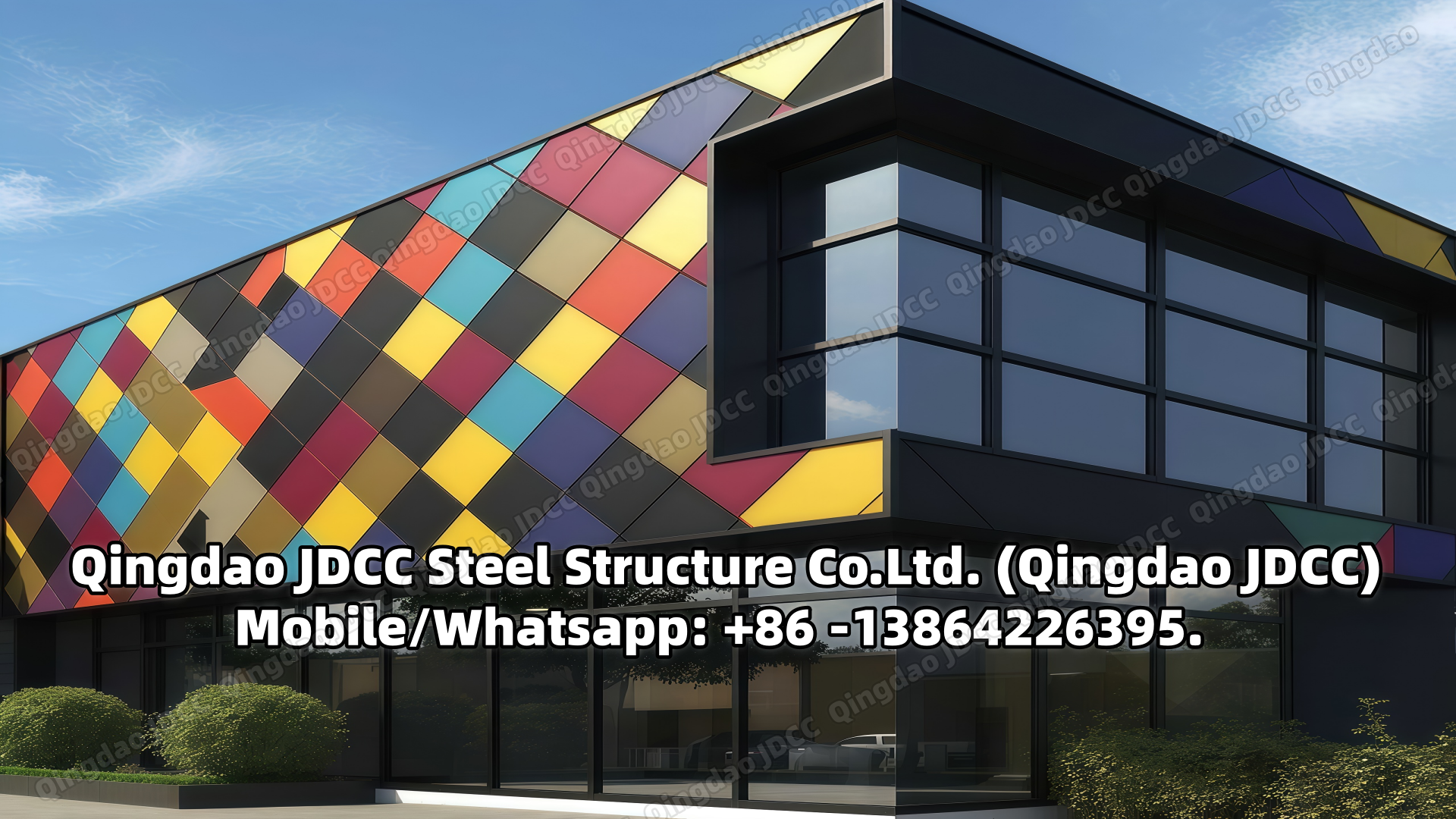
A modular building is a pre-engineered steel structure, which means its components, or modules, are built in a factory setting according to the same codes as any traditionally constructed buildings. The finished modules are transported by commercial trucks to a construction site, where they are assembled by a builder. Each module is installed to form a self-supporting structure that can support another modular unit on top. While this can be an advantage for compartmentalized vertical construction, modular buildings have limits when it comes to large-scale facilities. This becomes especially true for buildings that span wider than a semi-truck bed. Modular buildings are common solutions for buildings that have a replicated structure. This structure would include dormitories, mid-size hotels, apartment complexes or other housing projects that have smaller units. The size of the individual modules are limited by state transportation laws since they are transported and delivered by commercial trucks. Modular buildings are able to be easily modified, making them also popular options for small additions including school cafeterias, permanent classrooms and weight rooms, among others. One of the primary benefits of modular construction is time savings. Modular buildings are produced offsite using methods similar to the traditional assembly line, which contribute to a more efficient and focused construction timeline. As the modules are constructed separately by the manufacturer, the construction site can be assessed and prepared. When the modules are delivered to the site, about 80% of the construction is already completed. It is then only a matter of installing the modules and putting on the final touches such as utilities. When compared to traditional construction methods including site-built, wood frame construction, modular construction offers a quicker and more efficient route to the time of occupancy. The shorter construction timeline also means fewer labor costs, site disruptions, weather delays and decreased risks of on-site accidents and injuries.