




Product details
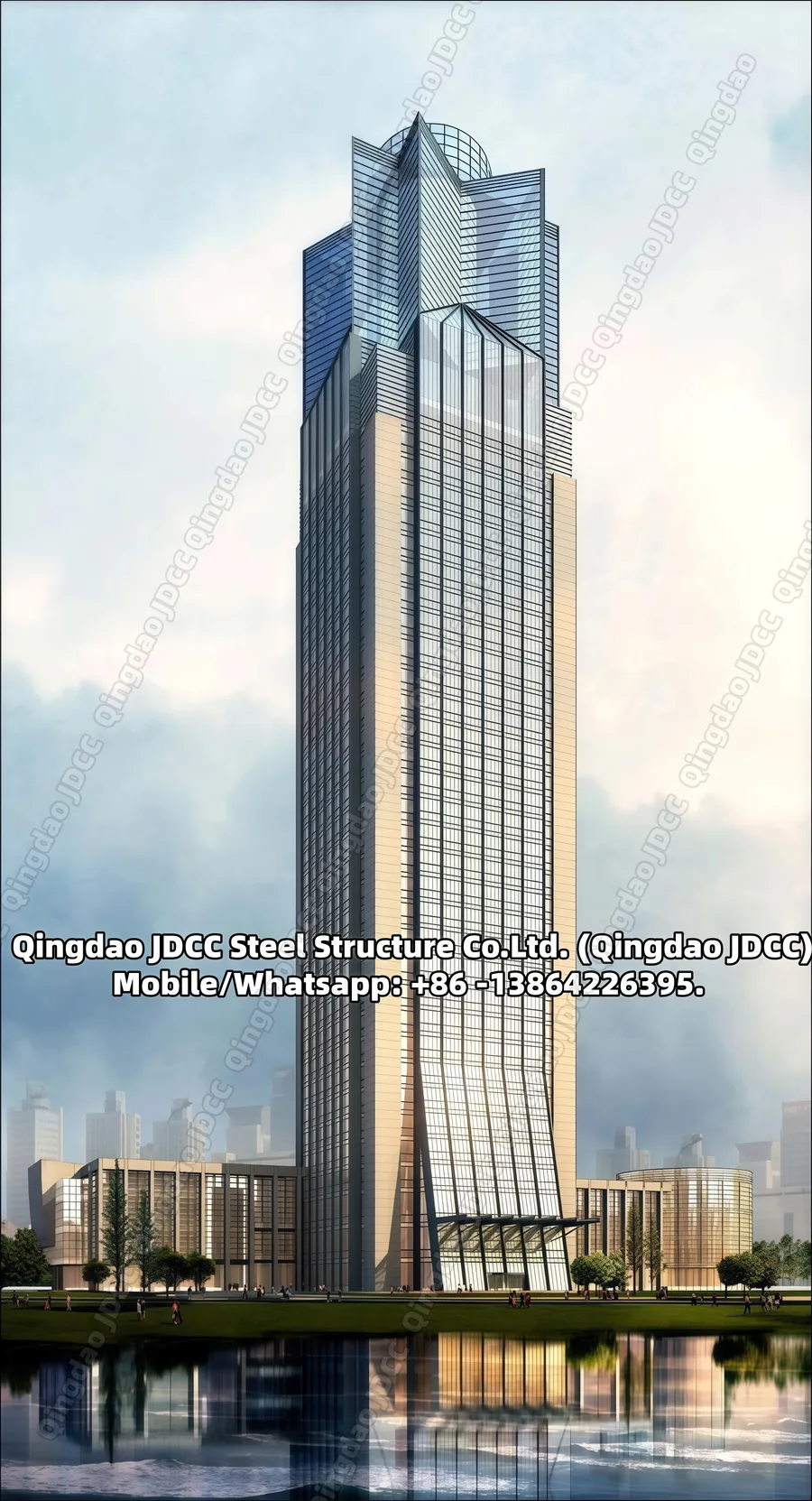
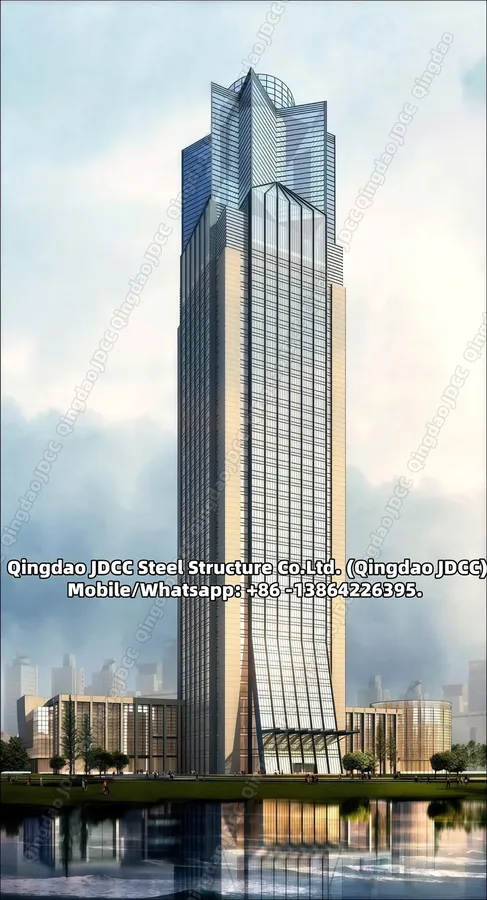
Steel Tower Building
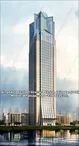
A tower building is a tall building or structure:
·Buildings between 75 feet and 491 feet (23 m to 150 m) high are considered high-rises. Buildings taller than 492 feet (150 m) are classified as skyscrapers.
The materials used for the structural system of high-rise buildings are reinforced concrete and steel. Most American style skyscrapers have a steel frame, while residential tower blocks are usually constructed out of concrete.
High-rise structures have certain features. The structures are high & lead to higher vertical loads and higher lateral loads (mainly due to wind stress) in comparison with lower buildings.
Type of High-Rise Structure:
Braced Frame
Rigid Frame Structure
Infilled Frame Structure
Flat Plate and Flat Slab Structure
Shear wall structure
Coupled wall structure
Wall-frame structure
Framed tube structure
The trussed tube
Tube in tube or Hull core structure
Bundled tube structure
Core and Outriggers system
Hybrid structure
Wind Loads: High-rise buildings are susceptible to oscillation. It should not be viewed as statically equivalent loads, but must be investigated under the aspect of sway behaviour.
Wind tunnel experiments are used to see the influence of the building’s shape on the wind load.
The ability of wind loads to bring a building to sway must also be kept in mind. This oscillation leads both to a perceptible lateral acceleration for occupants, and to a maximum lateral deflection.
Steel offers architects more design freedom in colour, texture and shape. Its combination of strength, durability, beauty, precision and malleability gives architects broader parameters to explore ideas and develop fresh solutions. Steel’s long spanning ability gives rise to large open spaces, free of intermediate columns or load bearing walls. Its capacity to bend to a certain radius, creating segmented curves or free-form combinations for facades, arches or domes sets it apart. Factory-finished to the most exacting specifications under highly controlled conditions, steel’s final outcome is more predictable and repeatable, eliminating the risk of on-site variability.
Contact us for your next project and we will design it and send you our best offer!